
Originally posted on SUITCASE Travel Blog: Traveling is a fascinating way to discover cultures, traditions, folklore, and customs from around the …
How to Greet People in Different Countries
Traveling is a fascinating way to discover cultures and traditions worldwide. Proper greetings play a vital role in creating positive interactions and avoiding embarrassing situations. Handshakes are widely used for greetings in many countries, symbolizing trust and friendship. In Europe, handshakes should be firm with good posture and eye contact, but in the Middle East, a firm grip is considered rude.
In New Zealand, the “hongi” is a traditional greeting where people press their noses and foreheads together. Tibetans greet each other by sticking out their tongues as a sign of not being possessed by demons. In Zimbabwe, people clap after a handshake, while in northern Mozambique, they applaud three times before saying “Hello.” Malaysians greet each other by gently taking hands and bringing them to the heart with a nod.
In Arab countries like Saudi Arabia, Iraq, and Turkey, greetings include handshakes, hugs, and kisses on both cheeks. In Thailand, the “wai” involves placing palms together at chest level or on the forehead with a slight bow. Japan’s traditional greeting is a bow, while in India and Nepal, people press their palms together and bow slightly.
In Greenland, family members and close people use the “kunik,” pressing noses and breathing on each other’s face. Apart from handshakes, kisses are also common greetings in countries like France, Spain, and Italy. The number of kisses may vary depending on the region.
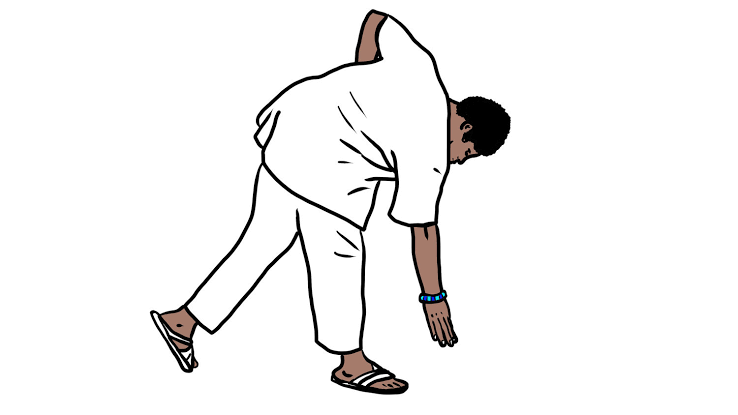
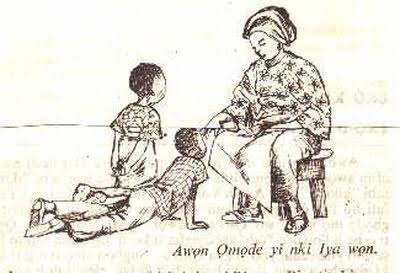
Nigeria, a diverse African nation, has its unique greetings. A common greeting is a handshake with a smile, but it can vary based on cultural background. In Yoruba culture, a common greeting involves bending the knees slightly while shaking hands. In Hausa culture, men may place their right hand on their chest as a sign of respect when greeting elders.

Other countries not mentioned in the original article may have their distinctive greetings, such as bowing in South Korea and a nod or slight bow in the United Kingdom.
Learning and respecting local greetings and customs can enhance the travel experience and foster meaningful connections with people from different cultures. Each country’s unique way of greeting reflects its history, values, and beliefs, making the journey even more enriching and inspiring.
 Ink & imagination